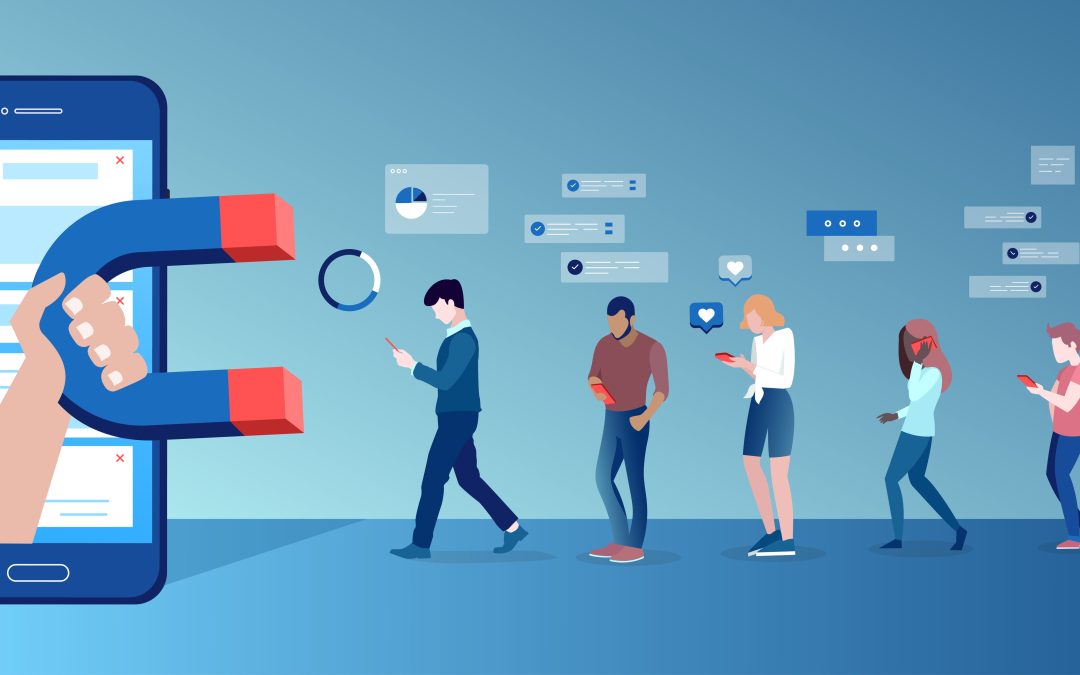
In today’s digital world, technology shapes nearly every part of daily life. From smartphones and social media platforms to fitness apps and streaming services, screens are always within reach. While technology offers convenience and connection, it also raises an important question: Does screen time affect mental health — especially depression?
Research suggests the answer is yes. While technology itself isn’t “good” or “bad,” how it’s used can significantly influence mood, emotional well-being, and overall mental health. Here’s what to know about the connection between technology use and depression, and how to create healthier habits in a digital world.
The Link Between Screens and Depression
Screens influence mood in several ways. Excessive screen time — especially late at night — can disrupt sleep, increase stress hormones, and reduce time spent on restorative activities like exercise, social interaction, or outdoor time. These factors can contribute to symptoms of depression.
How Screen Time Impacts Mood:
- Sleep Disruption: Blue light from screens suppresses melatonin, making it harder to fall asleep and stay asleep. Poor sleep is strongly linked to depressive symptoms.
- Reduced Physical Activity: Hours spent scrolling, streaming, or gaming take away from movement, which plays a crucial role in mood regulation.
- Overstimulation: Constant alerts, messages, and notifications can trigger anxiety and emotional burnout.
While occasional screen use is normal and expected, long periods of unstructured or late-night use increase the risk of mood changes.
Social Media: A Help or a Harm?
Social media platforms connect millions of people across the world — but they can also create emotional stress. Research shows that heavy use of platforms like Instagram, TikTok, and Facebook may increase feelings of isolation, comparison, and low self-esteem.
Why Social Media Can Contribute to Depression:
- Comparison Culture: Seeing filtered, idealized images of others can distort self-image and reduce confidence.
- Information Overload: Constant exposure to news, opinions, and conflict raises stress and emotional fatigue.
- Fear of Missing Out (FOMO): Watching others socialize or succeed can trigger feelings of loneliness or inadequacy.
- Cyberbullying: Negative comments or online harassment significantly impact emotional health, especially in teens.
However, social media isn’t purely negative. For some, it provides support groups, mental-health communities, and a sense of connection. The effects depend on how, why, and how often people use it.
Apps and Mental Health: Helpful Tools or Hidden Stressors?
Not all technology harms mood. Many apps are designed to support emotional well-being, reduce depression symptoms, or help users build healthier habits.
Helpful Mental-Health Apps Include:
- Meditation apps (like Calm or Headspace)
- Habit trackers
- Mood journals
- Therapy and telehealth platforms
- Sleep-improvement apps
These tools can enhance therapy, encourage mindfulness, and help people recognize patterns in their emotions. However, overuse or dependency can shift helpful tools into sources of pressure — especially when apps use streaks, reminders, or notifications that trigger guilt or stress.
Finding a Healthy Balance With Technology
Technology is part of modern life, and eliminating it isn’t realistic — or necessary. Instead, the goal is balanced use that supports mental health rather than harming it.
Healthy Screen Habits to Try:
- Set device-free times, especially during meals and 1–2 hours before bed.
- Use the “Do Not Disturb” mode to reduce notification fatigue.
- Limit social media scrolling by setting time caps.
- Replace some screen time with movement, outdoor time, or hobbies.
- Curate your feed by unfollowing stressful or negative accounts.
- Use technology intentionally, such as for education, connection, or relaxation.
If screen time or social media is starting to affect your mood, sleep, or daily functioning, it may be time to reassess your habits or seek guidance from a mental health professional.
The Bottom Line
Technology itself doesn’t cause depression — but how we interact with it can significantly influence mood and emotional health. Screens, apps, and social media can be useful tools when used mindfully, but they can also contribute to stress, comparison, and sleep disruption when overused. Creating a balanced digital environment is one of the most effective ways to protect your mental well-being in today’s connected world.